




After Extraction of Wisdom Teeth
Wisdom teeth are usually removed using local anesthesia, nitrous oxide (laughing gas), or general anesthesia. Your doctor will discuss these options and any surgical risks, such as nerve injury or sinus complications, before the procedure.Wisdom teeth are usually removed using local anesthesia, nitrous oxide (laughing gas), or general anesthesia. Your doctor will discuss these options and any surgical risks, such as nerve injury or sinus complications, before the procedure.
After the teeth are removed, the gums are typically closed with stitches. Gauze will be placed over the extraction sites to help control bleeding. You will rest in the office until you are ready to go home.
When you leave, you will receive:When you leave, you will receive:
- Post-operative instructions
- Prescriptions for pain medication or antibiotics (if needed)
- A follow-up appointment, usually within one week
If you have any questions after surgery, please call our office at 941-488-8788.
Our procedures are performed in a safe environment using modern monitoring equipment and an experienced surgical team.
What will I feel like after wisdom teeth removal surgery?
On the first day, mild bleeding and discomfort are normal. Place gauze as instructed and consider protecting your pillowcase in case of light bleeding.
Pain levels vary by patient. Some people experience mild discomfort, while others may feel more significant soreness.
Swelling is also common and usually:
-
Peaks on day two
-
Begins improving by day three
Using ice packs during the first 24 hours can help reduce swelling. Even if it feels uncomfortable, ice can significantly limit swelling the next day.
By the third day, your jaw muscles may feel stiff and it may be difficult to open your mouth fully. Applying moist heat on days two and three can help relax the muscles and improve movement.
Most patients should rest and limit activity for several days. Follow your post-operative instructions carefully to stay comfortable and support healing.
Many patients begin feeling much better within 3–5 days.
Are there any problems after the extraction of wisdom teeth?
Like any medical procedure, wisdom tooth removal can have complications. While uncommon, they may include:
-
Sensory nerve injury
-
Sinus communication
-
Infection
-
Dry socket
Our team will review all post-operative instructions with you and your escort before you leave the office.
If you received sedation, you may feel drowsy and relaxed after surgery. Most patients go home and rest for a few days before returning to normal activities.
Rare complications can include delayed healing, infection, or temporary numbness in the lip, chin, or tongue. Your surgeon will discuss these risks during your consultation.

Damage to Sensory Nerve:
A nerve in the lower jaw provides feeling to the lower lip, chin, and tongue. This nerve may be close to the roots of lower wisdom teeth. A nerve in the lower jaw provides feeling to the lower lip, chin, and tongue. This nerve may be close to the roots of lower wisdom teeth.
When wisdom teeth are removed, especially in older patients, the nerve may occasionally be irritated. This can cause temporary numbness or tingling in the lip, chin, or tongue.
In most cases, the feeling gradually returns over weeks or months. Permanent changes in sensation are rare, but this possibility will be discussed before surgery.
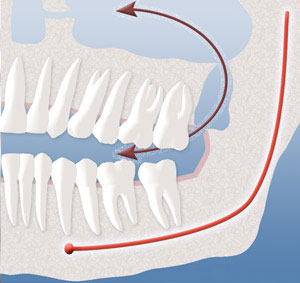
Sinus Communication:
Upper wisdom teeth are located near the sinus cavity. In some cases, removing these teeth can create a small opening between the mouth and sinus.
If this occurs, it usually heals on its own. Your doctor may recommend:
-
Avoid blowing your nose for several days
-
Sneeze with your mouth open
-
Avoid creating pressure in the sinus area
If symptoms develop after surgery, contact our office. In rare cases, an additional procedure may be required.
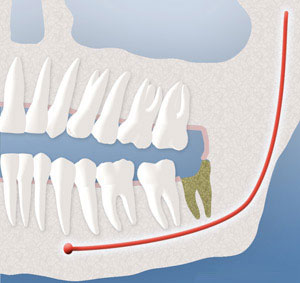
Dry Sockets:
Dry socket is the most common complication after wisdom tooth removal. It occurs when the blood clot in the extraction site dissolves too early.
This condition is more common in:
-
Smokers
-
Patients taking birth control pills
Dry socket typically develops 3–5 days after surgery and causes a deep, aching pain that may spread toward the ear or chin.
Treatment may include:
-
Adjusting pain medication
-
Placing a medicated dressing in the socket
The dressing helps relieve pain and protect the area from food particles. It may need to be changed every 1–2 days until the pain improves.
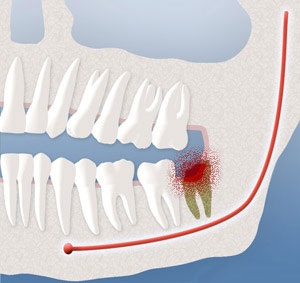
Infection:
In rare cases, infection can develop after surgery. Treatment may include:
-
An office evaluation
-
Antibiotics
-
Cleaning or draining the area if necessary
Other temporary side effects may include:
-
Jaw stiffness
-
Minor bruising
-
Irritation at the corners of the lips
-
Small amounts of bleeding from the extraction site
Your post-operative instructions will address these common concerns.
If you have questions or notice unusual symptoms, please call our office at 941-488-8788.
