




Wisdom Teeth Removal
Oral Examination for Extraction of Wisdom Teeth
During an oral exam and with dental x-rays, Dr. Overbeck evaluates the position of your wisdom teeth and checks for current or future problems. Early evaluation often leads to better outcomes for patients. Most people are first evaluated in their mid-teen years by a dentist, orthodontist, or oral surgeon.
All procedures are performed on an outpatient basis using appropriate anesthesia to keep patients comfortable. Our doctors are trained, licensed, and experienced in providing several types of anesthesia.
Why should I have my wisdom teeth removed?
If there is not enough room in your mouth for your third molars (wisdom teeth) to fully erupt, several problems can occur. Impacted wisdom teeth are often removed before the roots fully develop.
For some patients this may be as early as age 12 or 13, while others may wait until their early twenties. Problems tend to occur more often after age 30.
Possible issues from impacted wisdom teeth include:
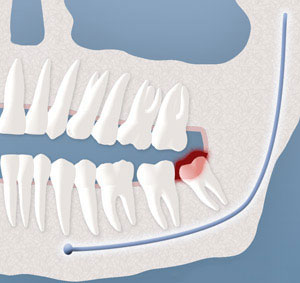
Infection:
One of the most common problems is pericoronitis, a gum infection around the wisdom tooth. When there isn’t enough room for the tooth to erupt fully, gum tissue can become irritated or infected. This can cause pain, swelling, and difficulty chewing or swallowing.
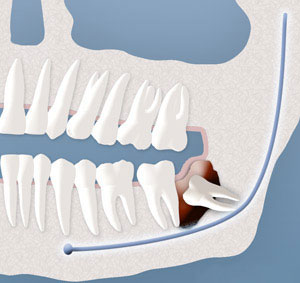
Cyst Formation:
Cysts can form around impacted wisdom teeth. These fluid-filled sacs develop inside the jawbone and may slowly damage nearby bone or teeth. While rare, tumors can also form if wisdom teeth are left untreated for many years.
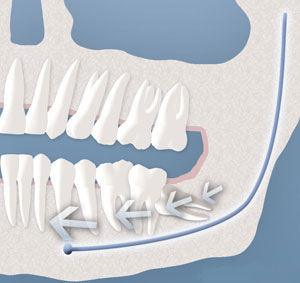
Possible Crowding:
Impacted wisdom teeth may contribute to crowding, especially in the lower front teeth. This is often noticed after orthodontic treatment. While several factors can cause crowding, wisdom teeth may play a role.
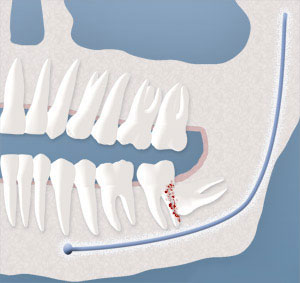
Damage to Adjacent Teeth:
If a wisdom tooth is difficult to clean, bacteria may affect the nearby second molar. This can lead to gum disease, bone loss, or tooth decay.
What if I don’t have my wisdom teeth removed as a teenager or young adult?
As wisdom teeth develop, their roots grow longer and the jawbone becomes denser. Removing impacted teeth later in life may involve a longer recovery and a higher risk of complications.
Healing may be slower, and infection risk may increase. For this reason, many patients choose removal during their teens or early twenties when healing is typically faster and more predictable.
If wisdom teeth remain fully impacted in bone and cause no problems, your oral surgeon may recommend monitoring them until an issue develops.
What happens on the day wisdom teeth are removed?
Many patients choose sedation so they are relaxed and comfortable during the procedure. Your anesthesia options will be discussed during your consultation.
Wisdom tooth removal is usually performed in our office using modern monitoring equipment and strict safety protocols. The surgical team and facilities are regularly inspected to ensure high safety standards.
The procedure typically takes 30–60 minutes, and most patients remain in the office for about 90 minutes total.

The Day of Treatment
Be sure to have an adult with you at the time of removal. Make plans to have a parent or responsible adult stay with you for the rest of the day, following wisdom tooth removal.
Do not eat or drink anything for at least 6 hours before surgery, except for prescribed medications taken with a small sip of water. Having food in your stomach can increase the risk of anesthesia complications.
You should also arrange for a parent or responsible adult to bring you to the appointment and stay with you for the rest of the day.
If stitches are required, they usually dissolve within 3–5 days. Mild swelling and gum tenderness are normal during the healing process.
Pain is often controlled with ibuprofen (Advil®) or other anti-inflammatory medication. If needed, prescription medication may also be used.
Start with clear liquids such as broth or gelatin and slowly return to normal foods as you feel comfortable.
Avoid dairy products on the day of surgery because they may increase nausea when combined with anesthesia or pain medication.
If you take birth control pills and antibiotics, use additional precautions, as antibiotics may reduce birth control effectiveness.
What does wisdom tooth removal cost and is it covered by insurance?
The cost of wisdom tooth removal varies based on factors such as:
- Difficulty of the extraction
- Number of teeth removed
- Type of anesthesia used
During your consultation, the surgeon will review your x-rays, examine your teeth, and provide an accurate treatment estimate. Our office staff will also help you understand your insurance coverage and maximize your benefits.
What if I have questions before surgery?
Your consultation is the best time to discuss your specific situation and ask questions. If new questions come up later, please call our office at 941-488-8788 to speak with a patient care coordinator.

The Day of Treatment
Please do not eat or drink anything prior to your surgery. Having anything in your stomach can increase the risk for serious anesthetic complications.
